Table of Contents
- How Stroke Affects Movement
- The Principle Behind Recovery: Neuroplasticity
- Stages of Stroke Recovery in Physiotherapy
- Key Physiotherapy Treatments After Stroke
- What Families and Caregivers Can Do
- Setting Realistic Expectations
- Warning Signs: Act FAST
- Frequently Asked Questions
A stroke changes life in an instant — but it does not end the possibility of recovery. Thanks to the brain’s remarkable ability to rewire itself, structured physiotherapy helps a large proportion of stroke survivors regain meaningful movement, independence, and confidence.
How Stroke Affects Movement
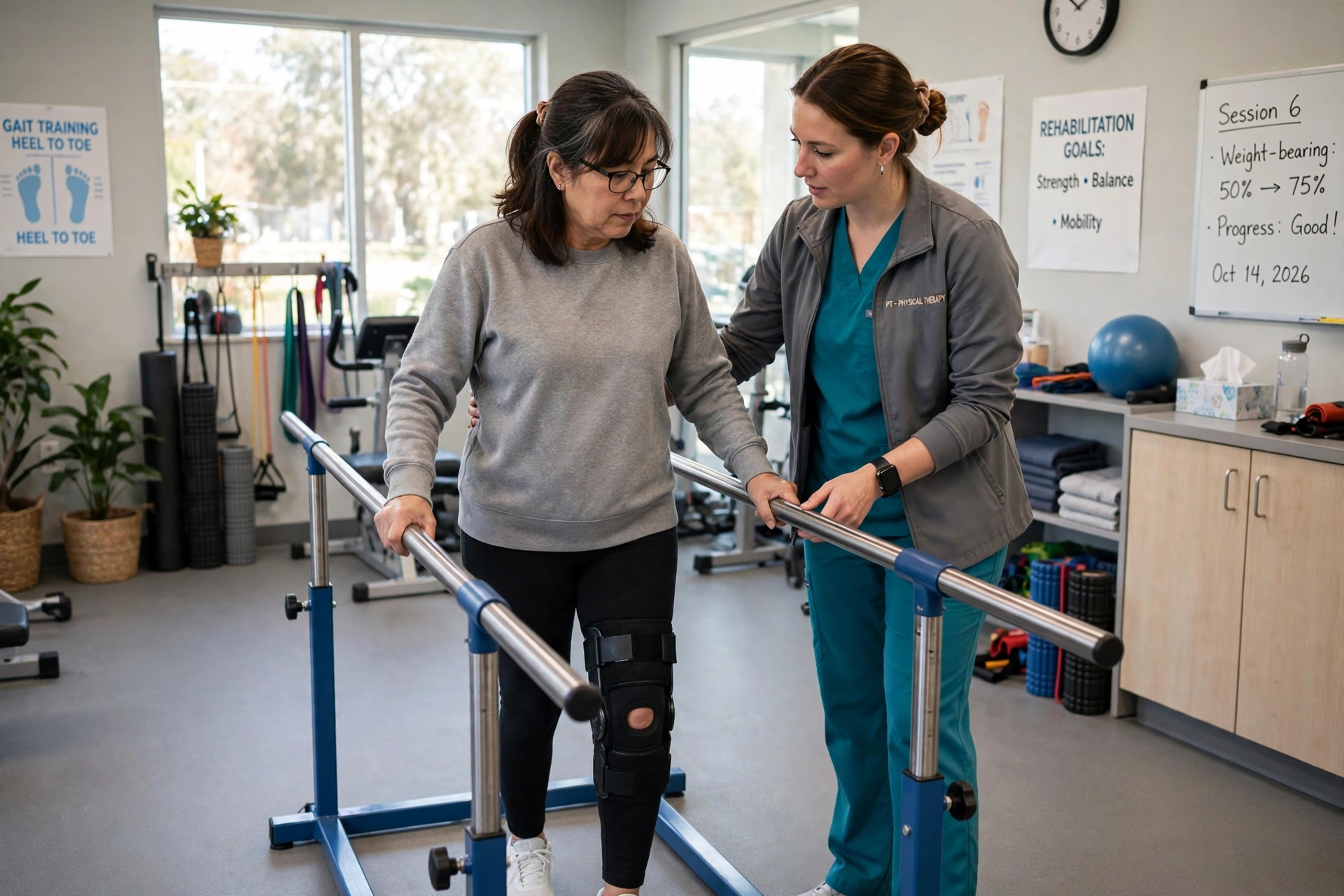
A stroke occurs when blood flow to part of the brain is interrupted. Because each side of the brain controls the opposite side of the body, stroke often causes weakness or paralysis on one side. Common problems: one-sided weakness, loss of balance, spasticity developing over weeks, difficulty walking, and profound fatigue.
The Principle Behind Recovery: Neuroplasticity
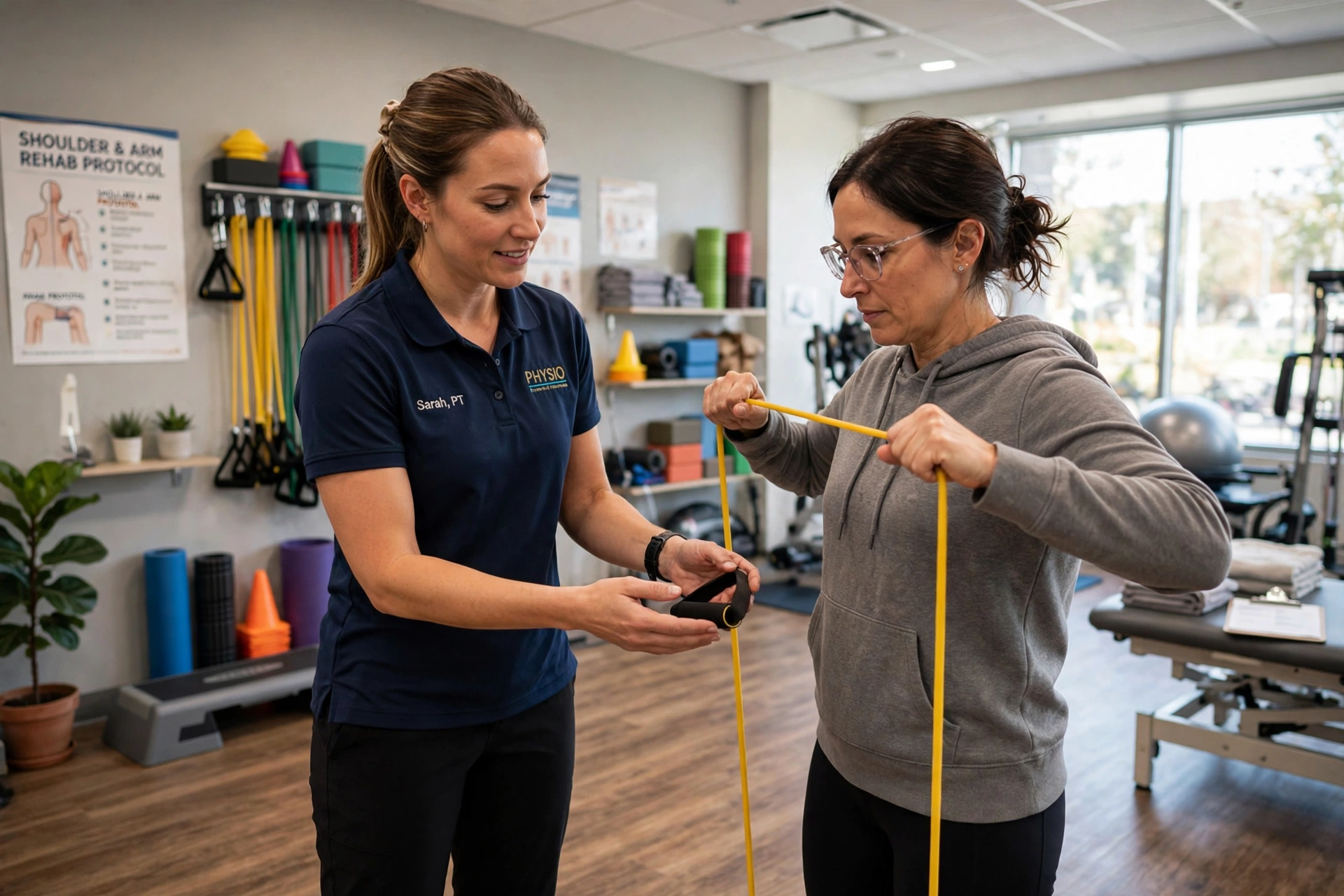
Neuroplasticity — the brain’s ability to form new neural connections — is the foundation of stroke rehabilitation. Every repetition of a movement strengthens new pathways. Two consequences: repetition matters enormously, and earlier, intensive therapy yields better outcomes (though gains continue for years).
Stages of Stroke Recovery
Stage 1 — Acute Phase (First Days to Weeks)
- Early mobilization — sitting, standing with support, preventing complications
- Positioning — protecting the weak shoulder, preventing contractures
- Gentle activation — encouraging any voluntary movement
Stage 2 — Subacute Phase (Weeks to ~6 Months)
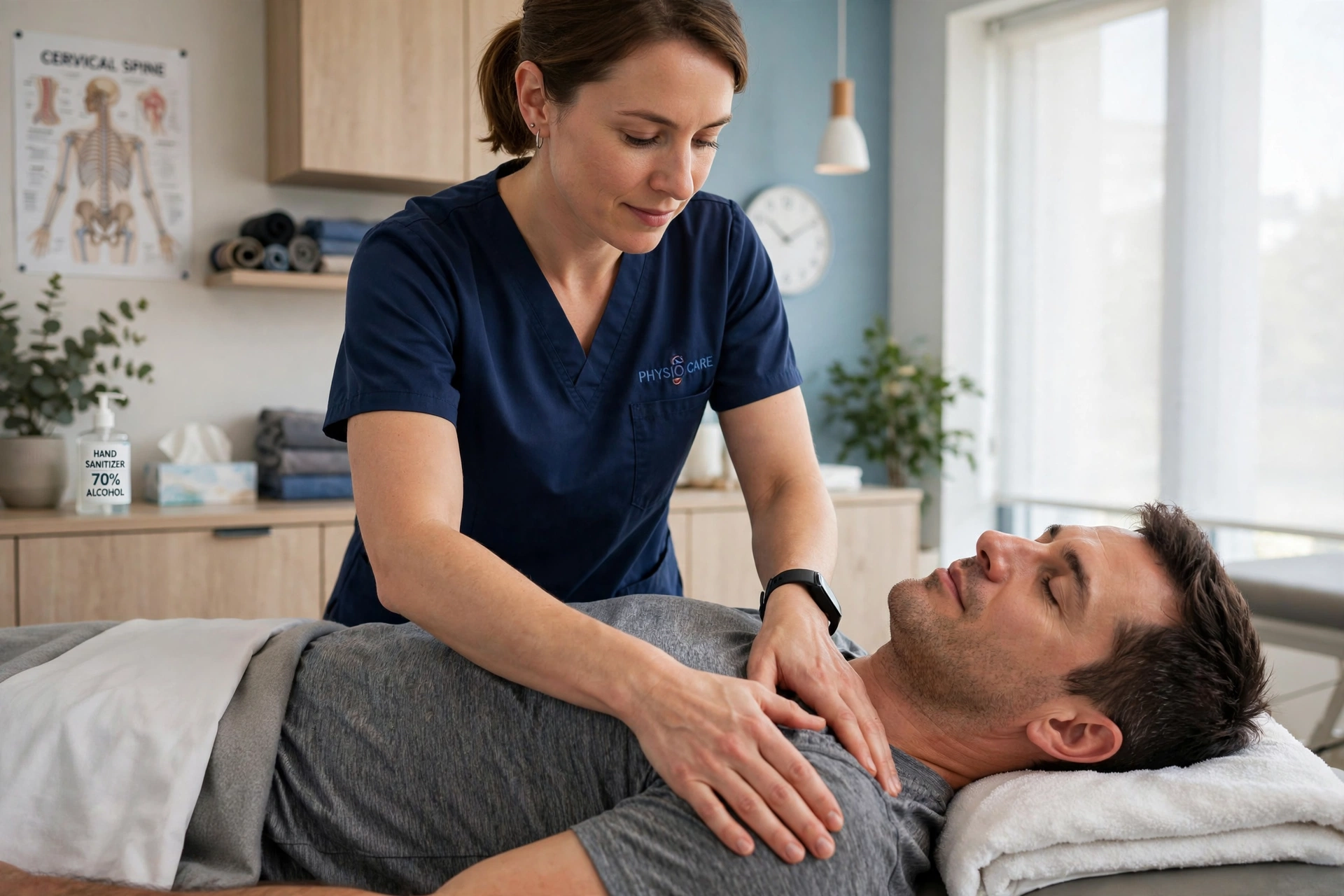
- Task-specific training — hundreds of repetitions of real-life movements
- Gait retraining — from parallel bars to independent walking
- Balance training — reducing fall risk
- Spasticity management — stretching, positioning, guided movement
Stage 3 — Chronic Phase (6 Months Onward)
- Fine-tuning independence — dressing, cooking, community activities
- Fitness and secondary prevention — reducing risk of another stroke
What Families and Caregivers Can Do
- Encourage use of the weaker side — every self-performed task is therapy
- Follow the home program prescribed by the physiotherapist
- Keep the environment safe — clear walkways, grab bars, good lighting
- Be patient with fatigue — neurological fatigue is real; rest is part of the program
Warning Signs: Act FAST
- Face drooping, Arms drifting, Speech difficulty, Time — call emergency services at once
Frequently Asked Questions
How soon after a stroke should physiotherapy start?
As soon as the patient is medically stable — often within 24–48 hours. Early mobilization prevents complications.
Is it too late to start months or years after a stroke?
No. The brain retains the ability to rewire itself indefinitely. Many patients improve even years later with consistent training.
Author box: Dr Nimra Kiran, Physiotherapist (DPT) — Doctor of Physical Therapy (DPT), GCUF. Specializes in neurological rehabilitation, post-stroke recovery, manual therapy, and therapeutic exercise prescription at Alnoor Clinic, Layyah.
Reviewed by Dr Nimra Kiran, DPT
Related posts:
- Sports Injury Rehabilitation: Step-by-Step Recovery Timeline
- Frozen Shoulder: Stages, Treatment & Recovery Timeline
- Knee Arthritis: How Physiotherapy Reduces Pain Without Surgery
Educational disclaimer: This article is for information only and is not medical advice. Please consult a qualified physiotherapist for diagnosis and treatment of your condition.