Neurological Rehabilitation
Neurological rehabilitation helps people recover movement, balance, and independence after stroke, nerve injuries, and other neurological conditions. At Alnoor Clinic, Dr Nimra Kiran, Physiotherapist and Doctor of Physical Therapy (DPT), GCUF, draws on neurology experience from DHQ Hospital to design task-specific training around your daily life. Programmes are encouraging, structured, and paced to your ability.
How It Works
- Neurological assessment: Strength, balance, coordination, and everyday function are carefully evaluated.
- Goal setting: Clear, meaningful goals are set together — from walking more steadily to managing daily tasks.
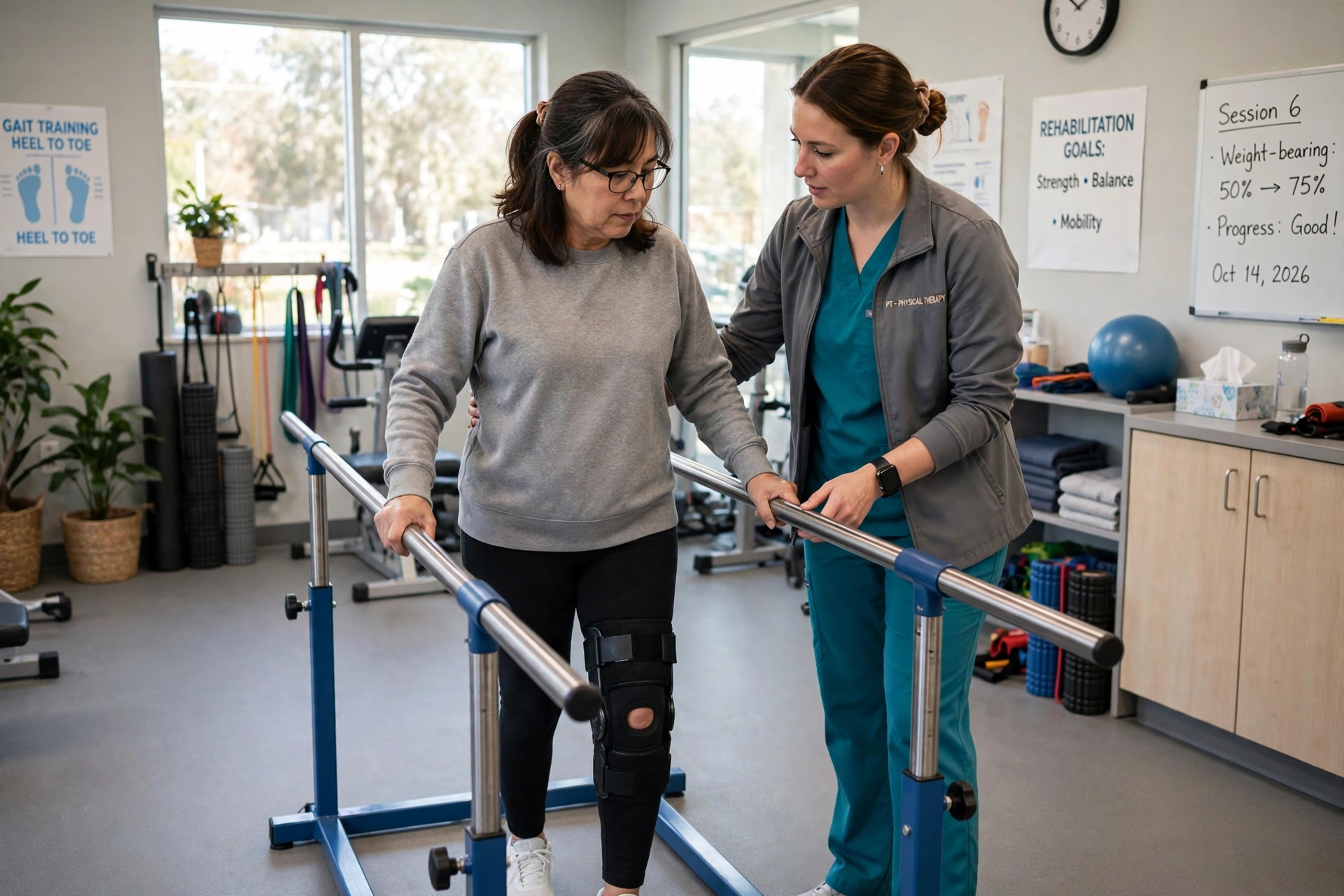
- Task-specific training: Gait, balance, and functional exercises retrain the brain–body connection through purposeful repetition.
- Review and progression: Progress is reviewed regularly and the programme is adjusted as you improve.
Benefits
- Improves walking and balance
- Rebuilds strength and coordination
- Supports recovery after stroke
- Aids rehabilitation after nerve injuries
- Increases confidence and independence
What to Expect
Sessions last 30–45 minutes; most plans run 4–12 sessions depending on your assessment.
FAQs
Who is neurological rehabilitation for?
It supports people recovering from stroke, nerve injuries, and other neurological conditions affecting movement, balance, or coordination.
How soon can I start after a stroke?
Rehabilitation can often begin once your medical team confirms you are stable. An early assessment helps us plan the safest starting point for you.
Will my family be involved?
Yes — guidance for family members is part of the programme, so the people around you can support your exercises and daily progress at home.